The Japanese Egg Sandwich, known as Tamago Sando, is a beloved comfort food that has captured hearts worldwide with its perfect balance of creamy, fluffy eggs nestled between pillowy soft bread. This deceptively simple sandwich represents the Japanese mastery of elevating humble ingredients into something extraordinary.
Why You’ll Love This Recipe
This Japanese Egg Sandwich (Tamago Sando) delivers restaurant-quality results with minimal effort and ingredients you likely already have in your kitchen. The secret lies in the technique – creating incredibly creamy, almost custard-like scrambled eggs that melt in your mouth. Unlike typical Western egg salad sandwiches, Tamago Sando focuses on texture and subtlety, allowing the natural sweetness of the eggs to shine through with just a hint of Japanese mayonnaise’s unique tang.
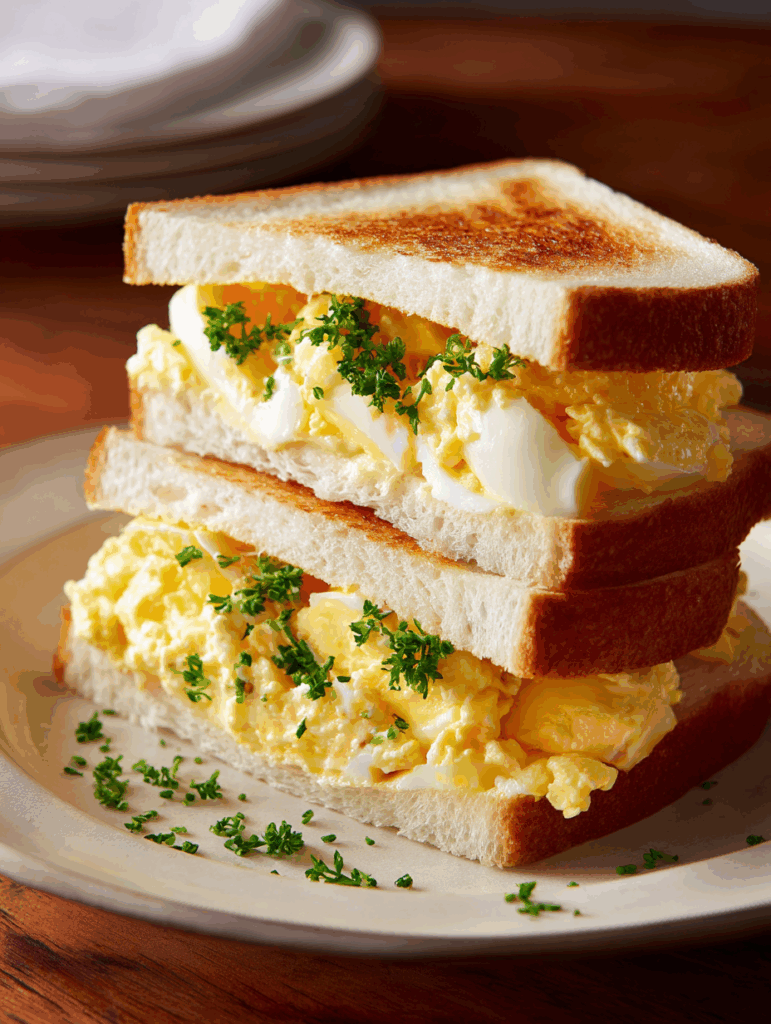
The sandwich offers a perfect harmony of flavors and textures that make it ideal for breakfast, lunch, or even a light dinner. Its Instagram-worthy appearance, with the golden egg filling peeking through pristine white bread, makes it as visually appealing as it is delicious.
Ingredients You’ll Need
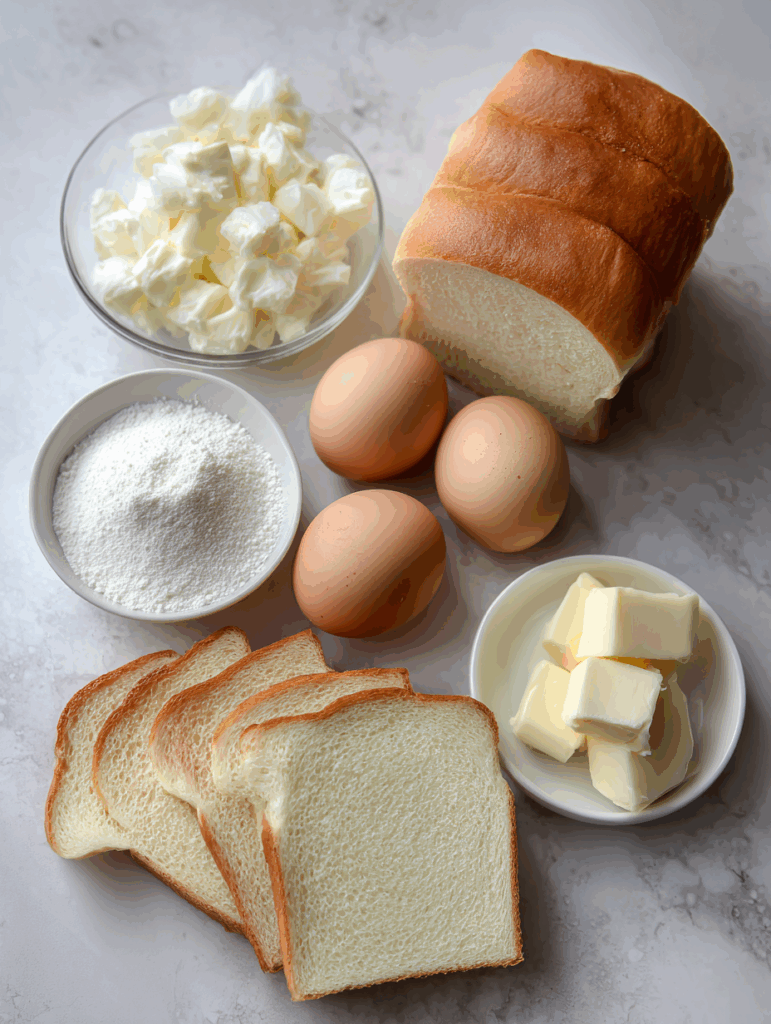
For the Egg Filling:
- 4 large eggs
- 2 tablespoons Japanese mayonnaise (Kewpie preferred)
- ½ teaspoon sugar
- ½ teaspoon rice vinegar
- Salt, to taste
- Freshly ground black pepper, to taste
For Assembly:
- 4 slices Japanese milk bread (or other soft white bread)
- Optional: softened butter for the bread
How to Make Japanese Egg Sandwich (Tamago Sando)
Step-by-Step Instructions
Step 1: Prepare the Eggs Gently crack the eggs into a medium bowl and whisk them thoroughly until completely smooth and no streaks of white remain. The key to perfect Tamago Sando is achieving a uniform, creamy texture.
Step 2: Cook the Eggs Heat a non-stick pan over the lowest possible heat setting. Add the whisked eggs and begin stirring immediately with a rubber spatula or wooden spoon. Continue stirring constantly, scraping the bottom and sides of the pan to prevent the eggs from setting too quickly. This process should take 8-10 minutes – patience is crucial here.
Step 3: Achieve the Perfect Texture The eggs are ready when they reach a creamy, almost pudding-like consistency with very small, soft curds. They should still appear slightly wet and glossy. Remove from heat immediately and continue stirring for another 30 seconds as the residual heat finishes the cooking process.
Step 4: Season the Egg Mixture Allow the eggs to cool for 2-3 minutes, then gently fold in the Japanese mayonnaise, sugar, and rice vinegar. Season with salt and freshly ground black pepper to taste. The mixture should be creamy and cohesive but not wet.
Step 5: Prepare the Bread If using butter, spread a thin layer on one side of each bread slice. This step is optional but adds richness and helps create a moisture barrier.
Step 6: Assemble the Sandwich Divide the egg mixture evenly between two slices of bread, spreading it to the edges. Top with the remaining bread slices and gently press down to help the sandwich hold together.
Step 7: Final Touch For the authentic presentation, trim the crusts using a sharp knife, then cut the sandwich diagonally or into rectangles. Serve immediately for the best texture and flavor.
Helpful Tips
Temperature Control is Key: Keep the heat as low as possible when cooking the eggs. High heat will create rubbery, chunky eggs instead of the desired creamy texture.
Constant Motion: Never stop stirring while the eggs are cooking. This prevents them from setting in large curds and ensures the silky smooth texture that makes Tamago Sando special.
Quality Ingredients Matter: Use the freshest eggs possible and seek out Japanese mayonnaise if available – its richer, more custard-like consistency makes a noticeable difference.
Bread Selection: Japanese milk bread (shokupan) is ideal, but any soft, white sandwich bread will work. Avoid crusty or dense breads that compete with the delicate egg filling.
Timing is Everything: Serve the sandwiches as soon as possible after assembly to prevent the bread from becoming soggy.
Details
Prep Time: 5 minutes
Cook Time: 10 minutes
Total Time: 15 minutes
Servings: 2 sandwiches
Difficulty: Easy to Medium
The beauty of Japanese Egg Sandwich (Tamago Sando) lies in its simplicity and the attention to technique. This recipe requires no special equipment beyond a non-stick pan and basic kitchen tools, making it accessible to home cooks of all skill levels.
Notes
Egg Safety: Ensure your eggs are fresh and from a reputable source. The low-temperature cooking method used in this recipe results in very soft eggs that some may consider undercooked by Western standards.
Mayonnaise Substitute: While Japanese mayonnaise is preferred for its unique flavor and texture, regular mayonnaise can be substituted in equal amounts if necessary.
Make-Ahead Option: The egg mixture can be prepared up to one day in advance and stored in the refrigerator. Allow it to come closer to room temperature before assembling the sandwiches.
Flavor Variations: Some variations include adding a small amount of miso paste for umami depth or a touch of dashi powder for additional Japanese flavor complexity.
Frequently Asked Questions
Q: Why are my eggs chunky instead of creamy? A: This usually happens when the heat is too high or the eggs aren’t stirred constantly. The key is maintaining very low heat and continuous motion throughout the cooking process.
Q: Can I use regular mayonnaise instead of Japanese mayonnaise? A: Yes, but Japanese mayonnaise (Kewpie) has a richer, more custard-like consistency and slightly sweeter flavor that’s traditional for Tamago Sando. Regular mayonnaise will work but may result in a slightly different taste and texture.
Q: How do I prevent the bread from getting soggy? A: Ensure the egg mixture isn’t too wet before assembling, and serve the sandwiches immediately. The optional butter layer also helps create a moisture barrier.
Q: Can I make this sandwich ahead of time? A: While best served fresh, you can prepare the egg mixture in advance and assemble the sandwiches up to 2 hours before serving. Store covered in the refrigerator.
Q: What type of bread works best? A: Japanese milk bread (shokupan) is ideal for its soft, pillowy texture, but any soft white sandwich bread will work. Avoid crusty or whole grain breads that might overpower the delicate egg filling.
Storage Instructions
Egg Mixture: Store any leftover egg mixture in the refrigerator for up to 2 days in an airtight container. Bring to room temperature before using.
Assembled Sandwiches: Best consumed immediately after assembly. If you must store assembled sandwiches, wrap tightly in plastic wrap and refrigerate for no more than 4 hours. The bread may become slightly soggy, but the sandwich will still be delicious.
Freezing: Not recommended, as the texture of both the eggs and bread will be compromised when thawed.
Conclusion
The Japanese Egg Sandwich (Tamago Sando) proves that sometimes the most extraordinary dishes come from the simplest ingredients treated with care and respect. This recipe transforms basic eggs and bread into a luxurious, cafe-worthy sandwich that embodies the Japanese philosophy of finding perfection in simplicity.
Whether you’re looking for a quick breakfast, elegant lunch, or light dinner, this Tamago Sando delivers comfort and satisfaction in every bite. The creamy, almost custard-like eggs paired with soft bread create a textural experience that’s both familiar and exotic, making it a perfect introduction to Japanese comfort food.
Master this technique, and you’ll have a versatile recipe that impresses guests, satisfies cravings, and showcases the beautiful results that come from patience and attention to detail in the kitchen.